

Figuring out the right golf ball can feel like a chore, but when you break down the Vice Golf lineup, it really comes down to a simple choice: do you want tour-level spin or are you chasing maximum distance? Balls like the Vice Pro Plus and Vice Pro are built with a soft urethane cover for serious control around the greens. On the other hand, models like the Vice Tour and Vice Drive use a tough Surlyn cover designed to give you more distance and forgiveness.
Your Guide to the Vice Golf Ball Lineup
Vice Golf has done an impressive job carving out a spot for itself in a crowded market by delivering premium performance without the eye-watering price tag. Their direct-to-consumer approach lets them go toe-to-toe with the big names, getting high-quality golf balls straight into the hands of players. This guide is here to cut through the noise and help everyone, from scratch golfers to weekend warriors, find the perfect ball for their game.
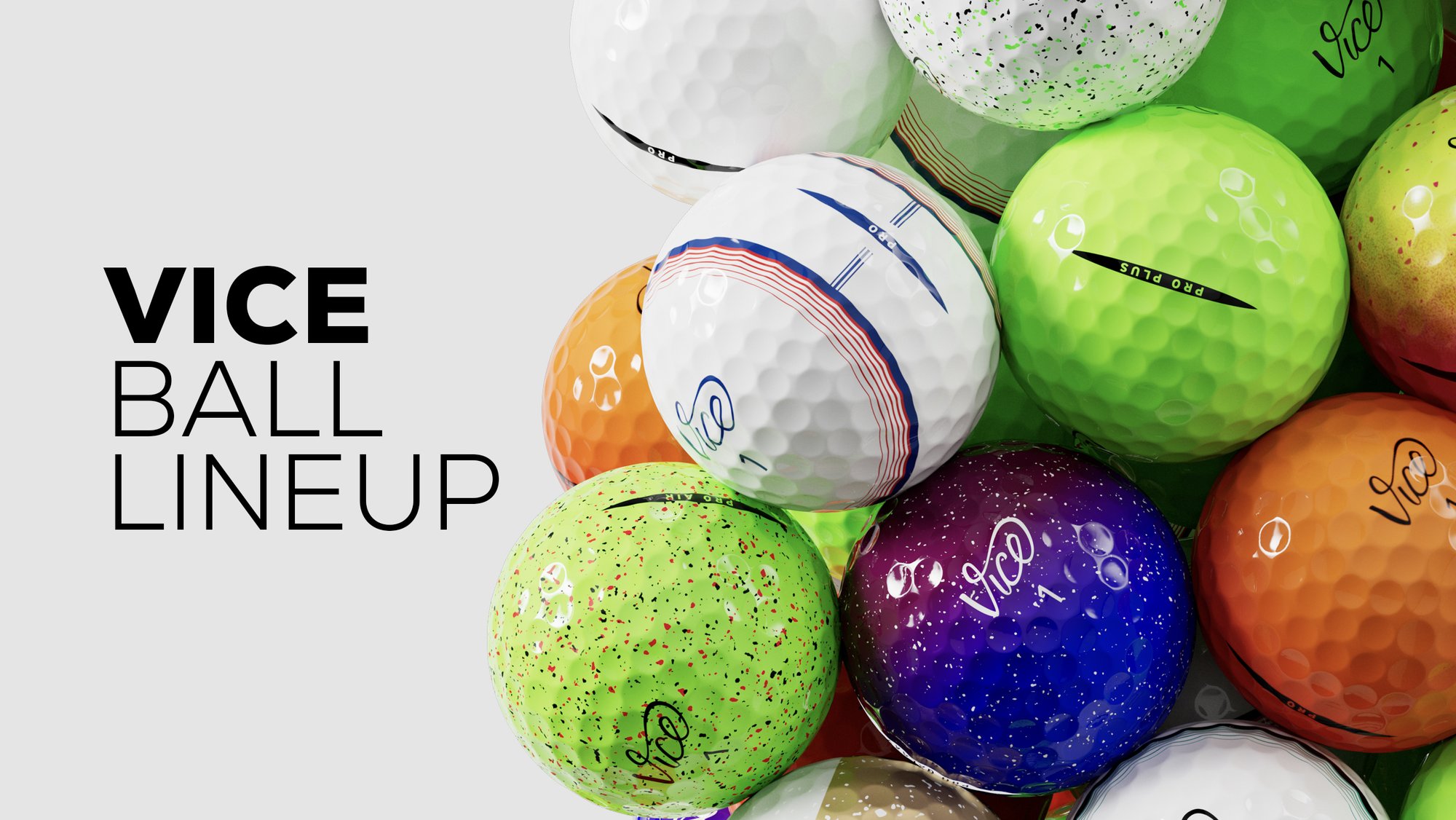
The global golf ball market is a behemoth, valued at USD 1.2 billion in 2024, and the legacy brands still hold most of the cards. But disruptive companies like Vice are making serious inroads. They offer things you just don't get from the old guard, like a 60-Day Testing Guarantee and wild customization options—think Tracer or Cosmic designs. It's a fresh take that resonates with a lot of golfers.
Vice Golf Ball Models At a Glance
To kick things off, this table gives you a quick snapshot of the core models in the Vice lineup. It’s the perfect starting point, breaking down each ball by its construction, compression rating, and the type of player it’s designed for.
| Ball Model | Construction | Compression | Feel | Best For (Player Profile) |
|---|---|---|---|---|
| Vice Pro Plus | 4-Piece Urethane | ~95 | Firm | High swing speeds (110+ mph) looking for max spin & control. |
| Vice Pro | 3-Piece Urethane | ~85 | Soft | All-around performance for low-to-mid handicappers. |
| Vice Pro Air | 3-Piece Urethane | <65 | Very Soft | Moderate swing speeds (below 95 mph) wanting a soft feel & high launch. |
| Vice Tour | 3-Piece Surlyn | ~90 | Firm | The average golfer needing distance with a bit of greenside feel. |
| Vice Drive | 2-Piece Surlyn | ~50 | Soft | Beginners & high handicappers focused on pure distance & durability. |
Think of this table as your cheat sheet. It lays out how each model is built to serve a specific type of golfer, making it much easier to narrow down your options based on how you play the game.
Key Insight: The big differentiator here is the cover material. The "Pro" series (Pro Plus, Pro, Pro Air) all use a cast urethane cover. That’s the secret sauce for generating tons of spin on approach shots and chips. The Tour and Drive models have a Surlyn cover, which is all about durability and distance.
This fundamental difference is usually the most important factor when you're choosing a ball. As we dig deeper in this guide, we'll explore how these construction details actually play out on the course. You can check out the entire Vice golf ball collection on their official site to see all the models and special editions. Understanding these core differences is the first step to finding the Vice ball that will genuinely help your game.
Understanding Vice Golf Ball Technology
To really get the right Vice ball for your game, you need to look under the hood. The layers, cover material, and compression rating aren't just marketing fluff; they're the engine that drives performance. Every single element is picked to do a specific job on the course, whether that’s a piercing tee shot or a delicate chip that stops on a dime.
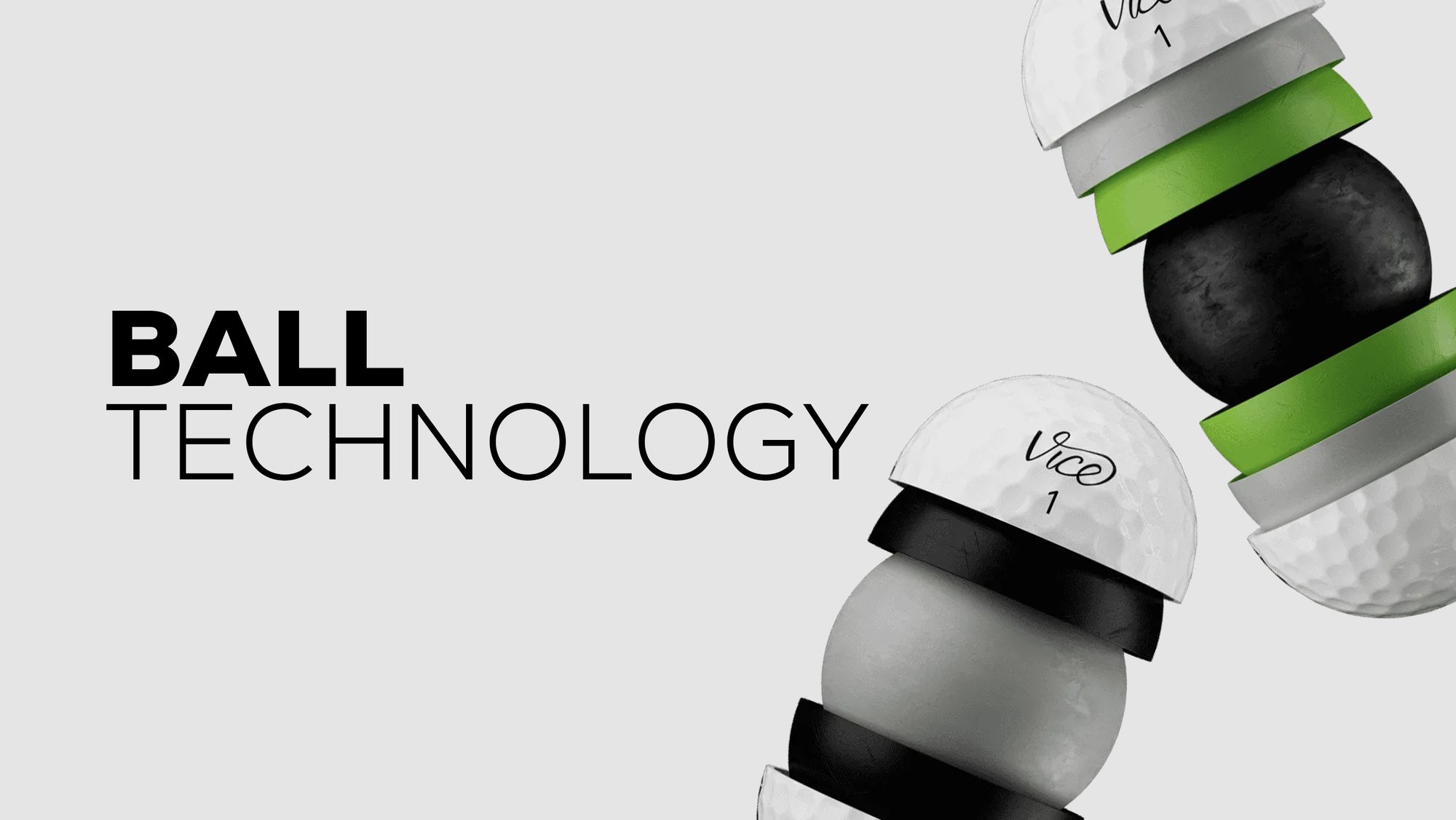
The construction of a golf ball—how many layers it has—is a direct lever on its spin characteristics. More layers usually mean you can fine-tune performance for different clubs.
-
2-Piece Construction (Vice Drive): This is the simplest design, with a big core and a tough cover. It's built for one thing: hitting it far and keeping side spin down for straighter shots. Simple and effective.
-
3-Piece Construction (Vice Pro, Pro Air, Tour): By adding a mantle layer between the core and cover, you get much more nuanced performance. This setup can kill spin off the driver but ramp it up with your short irons and wedges.
-
4-Piece Construction (Vice Pro Plus): This is the most sophisticated construction, offering the highest level of performance. An extra mantle layer refines that spin separation even further, giving you very low spin with long clubs and maximum, tour-level spin with your scoring clubs.
The Great Cover Debate: Urethane vs. Surlyn
The material on the outside of the ball is arguably the most important piece of the puzzle for feel and greenside control. This is where Vice really separates its "Pro" series from the distance-focused models.
A soft, cast urethane cover is the signature of a premium, tour-level ball. You'll find it on the Vice Pro, Pro Plus, and Pro Air. This material is designed to get "grabbed" by the grooves on your wedges and short irons. That interaction is what creates huge spin rates, letting you fire at pins and know the ball will stop fast.
On the other hand, a Surlyn cover (a type of ionomer resin) is what you'll find on the Vice Tour and Vice Drive. This stuff is way more durable and slicker than urethane, which naturally reduces spin. Less spin means less drag and less curve, which translates to longer, straighter shots, especially off the tee. That durability comes at a price, though—you won't get that high-level check-up around the greens.
Key Takeaway: If stopping power and control on your approach shots are your main goals, a urethane cover is non-negotiable. If you need maximum durability and a straighter ball flight, Surlyn is the right call for your game.
Matching Compression to Your Swing Speed
Compression tells you how much a golf ball squishes at impact, and it's rated on a scale from about 30 to over 100. A lower compression rating means the ball is softer and easier to squeeze, making it a great fit for slower swing speeds. A higher compression ball needs more speed to properly activate the core and unlock its full distance potential.
-
Vice Drive (~50): Extremely soft. Perfect for beginners and seniors looking for an easy launch.
-
Vice Pro Air (<65): A very soft feel, designed for players with moderate swing speeds.
-
Vice Pro (~85): A balanced, soft feel that suits a huge range of golfers.
-
Vice Tour (~90): A bit firmer, built for average golfers who want to maximize distance.
-
Vice Pro Plus (~95): This is the firmest ball in the lineup, made for high swing speeds (110+ mph) to deliver explosive distance.
Disruptive direct-to-consumer models are reshaping the USD 1.42 billion golf ball market in 2024. Vice's lineup, from the distance-focused Vice Drive to the Vice Tour, rivals premium brands at half the price. For competitive golfers, the Vice Pro Plus delivers spin comparable to a Titleist Pro V1 but at a 30-50% lower cost. You can learn more about the evolving golf ball market and its key players in this detailed report.
Performance Breakdown for Every Player Profile
Choosing a golf ball isn't just about grabbing one with a cool logo; it's about matching the right technology to your unique swing. A ball that's a game-changer for a tour pro might rob a high-handicapper of precious distance and forgiveness. This is where getting into the nuts and bolts of the Vice lineup really pays off.
Let's break down how each model performs out on the course, from tee to green, for every type of golfer.
For the High Swing Speed Player (110+ mph)
If you're generating serious clubhead speed, your biggest challenge off the tee is managing spin. Too much of it will send your drives ballooning into the sky, killing your roll and costing you distance. This is exactly where the Vice Pro Plus comes in.
Its 4-piece construction and firm compression rating (around 95) are built specifically for players who bring the heat. The dual-casing design is the key here, helping to slash driver spin for a powerful, piercing flight that holds its line in the wind. With your irons, you get a mid-launch window but with high spin, letting you fire at pins and know the ball will stop.
Around the greens, that cast urethane cover provides maximum stopping power. It’s the highest-spinning ball in the Vice lineup, giving you the confidence to hit delicate, high-tariff shots with precision.
Player Scenario: Picture a low-handicapper with a 115 mph swing on a long par-4. The Pro Plus minimizes that unwanted side spin, helping them find the fairway. On the approach, its high spin lets them fly a 7-iron into a firm green and watch it bite.
For the All-Around Performer (95-110 mph Swing Speed)
Golfers in this swing speed bracket need a ball that does everything well, without making you sacrifice one part of your game for another. The Vice Pro is the absolute workhorse of the lineup, offering a fantastic balance of distance, feel, and greenside control.
With its 3-piece build and softer compression (around 85), it feels great off every club in the bag. It delivers low spin off the tee for excellent distance but feels less "clicky" than the firmer Pro Plus—a perfect match for players who want tour performance without needing tour speed.
The real magic of the Vice Pro is its versatility. It generates plenty of spin with wedges for precise short-game play while still giving you all the yards you need with the driver. It's no surprise this is a go-to for a huge range of mid-to-low handicap players.
For the Player Seeking Soft Feel and High Launch (Below 95 mph)
If your swing is more moderate and you love a softer feel at impact, the Vice Pro Air is going to be your new best friend. It was engineered with a very low compression rating (below 65), making it incredibly easy to compress. For slower swingers, this translates directly into higher launch and maximized carry distance.
But don't let its soft nature fool you. The Pro Air still packs a 3-piece construction with a cast urethane cover. That means you don't have to give up greenside spin to get that buttery feel. It produces a high, stable ball flight with irons and offers impressive check-and-stop control on shorter shots.
-
Feel: The softest ball in the Vice lineup, providing a cushioned sensation off the putter face.
-
Launch: Promotes a high trajectory, which is a massive help for players who struggle to get the ball airborne.
-
Spin: Delivers more wedge spin than the Tour or Drive models, giving you better command around the greens.
For the Average Golfer Prioritizing Forgiveness and Distance
The Vice Tour is built for the heart of the amateur golf world. If your main goals are hitting longer, straighter drives and you want a ball that performs consistently without breaking the bank, the Tour is an outstanding choice.
It uses a 3-piece design but with a durable Surlyn cover instead of urethane. This change dramatically reduces driver spin, which helps mellow out hooks and slices for a much more forgiving ball flight. Its firm compression of approximately 90 ensures it feels solid and delivers impressive yardage off the tee.
While it won't spin like a Pro series ball around the greens, it offers more than enough control for most mid-to-high handicap players. It's a fantastic blend of performance and value. Still not sure? Testing a few models is the smartest way to find your perfect fit. You can explore the Vice Ball Variety Bundle to try them out on the course and see the differences for yourself.
For the Beginner Focused on Maximum Distance
For beginners and high-handicap players, the name of the game is simple: maximize distance and keep the ball on the course. The Vice Drive is engineered for exactly that mission.
Its straightforward 2-piece construction with a tough Surlyn cover is all about speed and durability. The low-spin DNA of the Drive helps produce long, straight shots, even when you miss the center of the face. With a soft compression of around 50, it’s incredibly easy for players with slower swing speeds to activate the core and get the ball launching high and far.
This is the most forgiving ball in the Vice lineup. It's the perfect entry point for anyone new to golf or someone just looking to tame a nasty slice and build some confidence off the tee.
Vice Golf Ball Performance Matrix by Player Type
To make it even clearer, here’s a quick-glance table showing which ball excels for different players and shot types. Think of it as a cheat sheet for finding your ideal match.
| Ball Model | Low Handicap (<10) | Mid Handicap (10-20) | High Handicap (20+) | Key Performance Trait |
|---|---|---|---|---|
| Pro Plus | Excellent. Maximizes distance for high speeds and offers ultimate short game control. | Good for faster swingers in this range. May be too firm/spinny for others. | Not recommended. Too firm to compress, limiting distance and feel. | Maximum Greenside Spin & Control |
| Pro | Ideal. A perfect blend of distance, tour-level feel, and high greenside spin. | The sweet spot. Offers all-around performance from tee to green. | Good for aspiring players who want more short game spin than a distance ball. | All-Around Tour Performance |
| Pro Air | Situational. Great for players who prefer an extremely soft feel or need a higher launch. | Excellent choice for those with moderate speeds seeking feel and height. | Highly recommended. Promotes high launch and soft feel without sacrificing spin. | Soft Feel & High Launch |
| Tour | Not ideal. Lacks the short game spin needed for precise scoring. | Excellent. A durable, long, and straight ball that offers great value. | The perfect fit. Forgiving, minimizes slices/hooks, and maximizes distance. | Forgiving Distance & Value |
| Drive | Not recommended. Built for a completely different player profile. | Situational. Best for players struggling with a slice who prioritize distance. | Ideal. The easiest ball to launch high and straight for maximum forgiveness. | Maximum Distance & Forgiveness |
This matrix helps visualize how the technology in each ball translates to on-course performance for your specific skill level. The "best" ball is always the one that complements your strengths and helps mitigate your weaknesses.
Exploring Specialty and Custom Vice Golf Balls
Beyond the core lineup built for pure performance, Vice Golf brings a ton of personality and unique function to the course. They get that golf isn't just about the number on your scorecard—it’s also about style, having fun, and sometimes, just being able to see your ball. This is where their specialty and custom golf balls really come into their own.
One of the most practical and unique models is the Vice Tracer. This ball was designed to solve a very specific problem: playing golf when the sun is going down. Whether you’re trying to squeeze in a twilight nine or you’re the first one out at dawn, the Tracer makes sure you can follow your shot from the tee to its final resting place.
The secret is a special UV-reactive coating. You charge it up with a UV flashlight (often sold with the balls), and the Tracer glows bright, making it a piece of cake to spot against a dark sky or shadowy fairway. It’s a true game-changer for anyone who refuses to let daylight dictate when their round ends.
Limited Editions That Make a Statement
If there’s one thing Vice is known for, it’s their bold, head-turning limited edition releases. These aren’t just collectibles; they take the high-performance guts of their Pro series balls and wrap them in some of the coolest designs you'll see on a golf course. This blend of tour-level engineering and eye-catching aesthetics is a huge part of the brand's identity.
A couple of fan favorites that pop up often include:
-
Neon Sunset: These feature vibrant, fading colorways that are as nice to look at as they are easy to track in the air.
-
Cosmic: A wild, galaxy-inspired splatter pattern that makes every single ball one-of-a-kind.
These special drops let golfers show off their personal style without giving up an ounce of the spin, feel, and distance they need. They also tend to sell out fast, which adds a bit of hype and exclusivity to every new release.
Key Insight: These specialty balls do more than just look good. The high-visibility colors of models like the Neon Sunset can genuinely help you track your shots, especially on overcast days or against a messy treeline, blending style with a real on-course advantage.
Your Ball, Your Design
Perhaps the coolest way Vice connects with golfers is through its super-flexible customization program. This service turns a golf ball into a personalized piece of gear, a memorable corporate gift, or a way to commemorate a buddies trip. The options are seriously impressive.
Golfers can jump on the Vice website and easily upload their own logos, add custom text, or pick from a library of symbols to create something unique. It's incredibly simple and perfect for all sorts of things:
-
Corporate Branding: Slap a company logo on some Pro Plus balls for a tournament or client thank-you gifts.
-
Team Identity: Create matching balls for your weekend league or annual golf trip.
-
Personal Touch: Print a nickname, an inside joke, or just a simple alignment line.
This level of personalization, combined with Vice’s direct-to-consumer prices, makes getting custom, tour-quality balls a reality for the average golfer, not just big companies with big budgets. It really hammers home what the brand is all about: mixing top-tier performance with personality so every golfer can play a ball that fits their game and their style.
How to Select the Right Vice Ball for Your Game
Okay, so you've seen what each ball is designed to do. Now for the most important part: matching all that tech to your actual game out on the course. It’s about taking the specs off the page and finding what truly works for your swing. The good news is that Vice gives you some great tools to get started, and you can confirm the rest yourself with a little on-course testing.
The absolute best place to begin is with Vice's official online fitting tool. It’s designed to cut through the noise and give you a personalized recommendation based on your data.
This visual guide breaks down how to think about the selection process. It starts with your performance needs and then layers on your personal style, which is a big part of the Vice experience.
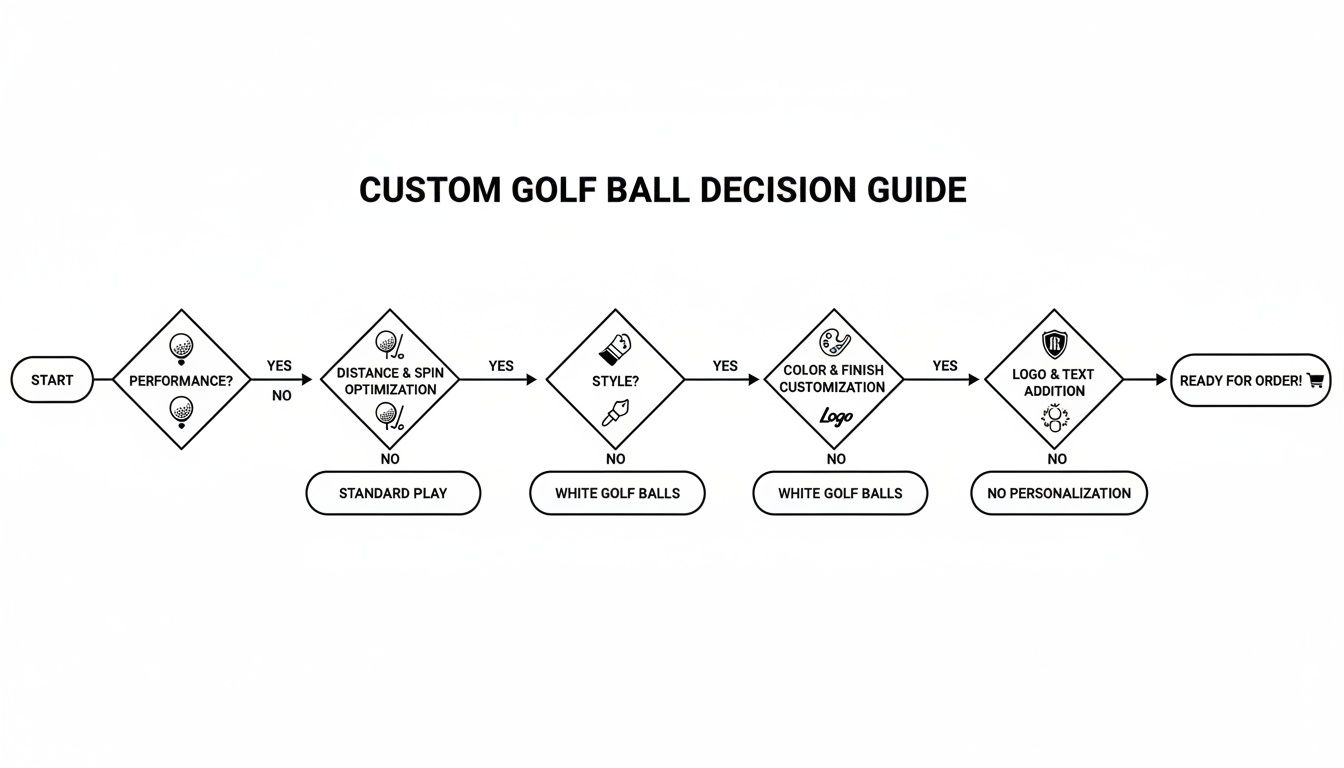
As the flowchart shows, performance comes first. Once you've nailed that, you can dive into the aesthetic and personal touches that make the ball feel like yours.
Using the Vice Ball Comparison Tool
Vice’s online fitting tool is a genuinely useful way to narrow down the options. Think of it as a data-driven starting point built around how you actually play golf.
The official Vice Golf ball fitting tool will ask you for some key details about your game and what you're looking for in a ball. You plug in your numbers, and the tool’s algorithm points you toward the one or two models that make the most sense for you.
To get the most out of it, just follow these simple steps:
-
Input Your Swing Speed: Be honest. If you don't have a launch monitor number, estimate based on your typical driver distance. For example, a 240-260 yard drive usually lines up with a 95-105 mph swing.
-
Select Your Priorities: Tell the tool what you care about most. Is it all about ripping it off the tee for pure distance? Or do you need maximum bite around the greens?
-
Review the Recommendation: The tool will suggest the top models for your profile, giving you a focused list to begin your real-world testing.
Practical On-Course Fitting Strategies
While the online tool gives you a fantastic head start, nothing beats seeing the ball perform with your own eyes. The final verdict should always come from an on-course test.
Pro Tip: Don't just smash drivers on the range. The real differences between premium balls show up on approach shots from 100 yards and in, and on those delicate chips and putts around the green.
Grab a sleeve of your top two recommended balls and go play a few holes, hitting alternating shots with each. Zero in on these specific areas:
-
Iron Shots: Does one ball hold its line better in the wind? Do you see a noticeable difference in launch height? Most importantly, which one stops faster when it hits the green?
-
Short Game Feel: How does each ball feel coming off your wedges on a 30-yard pitch? Does one seem to "grab" the green more aggressively than the other?
-
Putting: Close your eyes and listen to the sound off the putter face. Feel the feedback. A softer ball like the Pro Air will feel and sound completely different from a firmer ball like the Pro Plus.
Final Situational Recommendations
After you've hit some shots on the course, the right choice should become pretty clear. To help you lock it in, here are some simple, situational guidelines:
-
If you need maximum greenside spin to attack pins and you have a swing speed over 110 mph, the Vice Pro Plus is your ball. No question.
-
If you're looking for a balanced tour ball with great feel and all-around control for a swing between 95-110 mph, the Vice Pro is the perfect fit.
-
If you crave that buttery soft feel and need a higher launch—without sacrificing a premium urethane cover—the Vice Pro Air is the one you want.
-
If your game is all about forgiving distance and finding more fairways, the Vice Tour delivers incredible value and performance.
-
If you're a beginner focused purely on hitting it as far and straight as possible, the Vice Drive was engineered with you in mind.
Got Questions? We've Got Answers
Even with a detailed comparison, you might still have a few questions rolling around. That's perfectly normal. Here are some straightforward answers to the most common queries we get, designed to help you lock in your choice with total confidence.
What's the Real Difference Between the Vice Pro and Vice Pro Plus?
It really boils down to two things: construction and compression. Think of it as the engine under the hood, and it directly impacts who the ball is for.
The Vice Pro is a 3-piece ball with a softer compression (around 85). This makes it a fantastic all-around performer for players with swing speeds in the 95-110 mph range. It gives you a great mix of distance off the tee and the high spin you need to stop the ball on the green.
On the other hand, the Vice Pro Plus is a 4-piece powerhouse with a much firmer compression (around 95). This one is built for speed. If you're swinging 110+ mph, this ball is engineered to kill excess driver spin for maximum distance while delivering the highest possible spin on your approach shots and chips.
I'm Just Starting Out. Which Vice Ball Is for Me?
The Vice Drive is, without a doubt, the best place to start for beginners and high-handicap players. We designed its 2-piece construction and tough Surlyn cover to do two things really well: maximize distance and offer forgiveness. Its lower compression and low-spin design help straighten out those shots that tend to slice or hook, which is a huge confidence booster when you're learning the game.
Another great option is the Vice Tour. It's perfect for players who are starting to improve and want a bit more control around the greens than the Drive offers, but without giving up that easy distance.
Here's a simple way to think about it: The Vice Pro series is for players who are dialed in and need spin and control to score. The Tour and Drive models are for golfers who need help hitting it farther and straighter off the tee.
How Good Is the Vice Golf Ball Fitting Tool?
Our Vice Golf Ball Comparison Tool is an incredibly accurate starting point. It takes the guesswork out by analyzing your swing speed and what you want from a golf ball, then narrows it down to the one or two models that are the best fit for your game on paper.
But here’s the thing about golf—feel is personal. My advice? Trust the tool's recommendation, then grab a sleeve of each suggested ball and put them to a real-world test. Play a few holes with each and pay close attention to how they perform with your scoring clubs—your irons and wedges. That's how you'll know you've found the perfect match.
At Vice Golf, our mission is simple: deliver tour-quality performance and fresh designs directly to you, so you always get the best value in golf. Find the ball that’s built for your game by checking out our full lineup today.


